
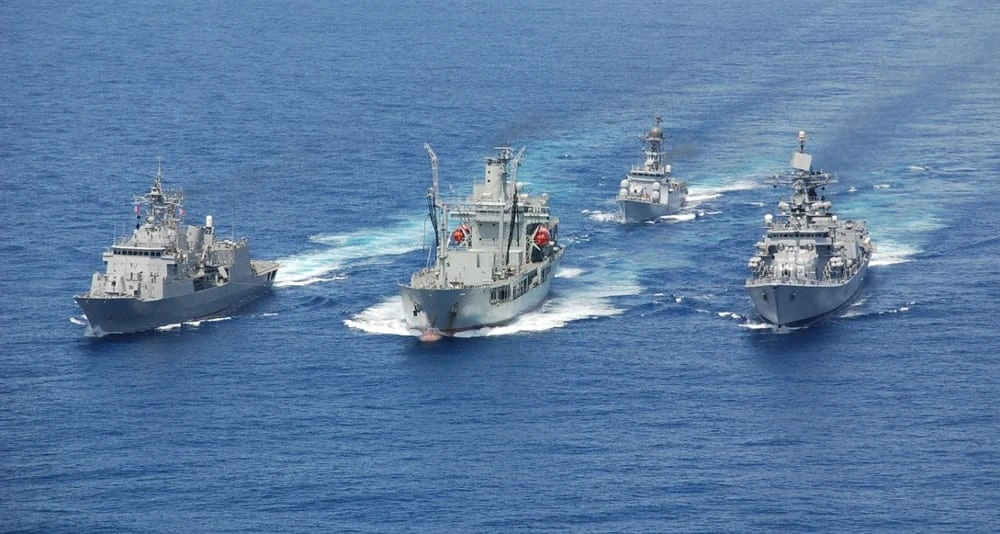
Impressed Current Cathodic Protection System
Actively controlled corrosion-protection system for naval vessels and submerged metallic structures.
Power-conditioning, corrosion-protection and thermal-management systems engineered for demanding naval and underwater platforms.
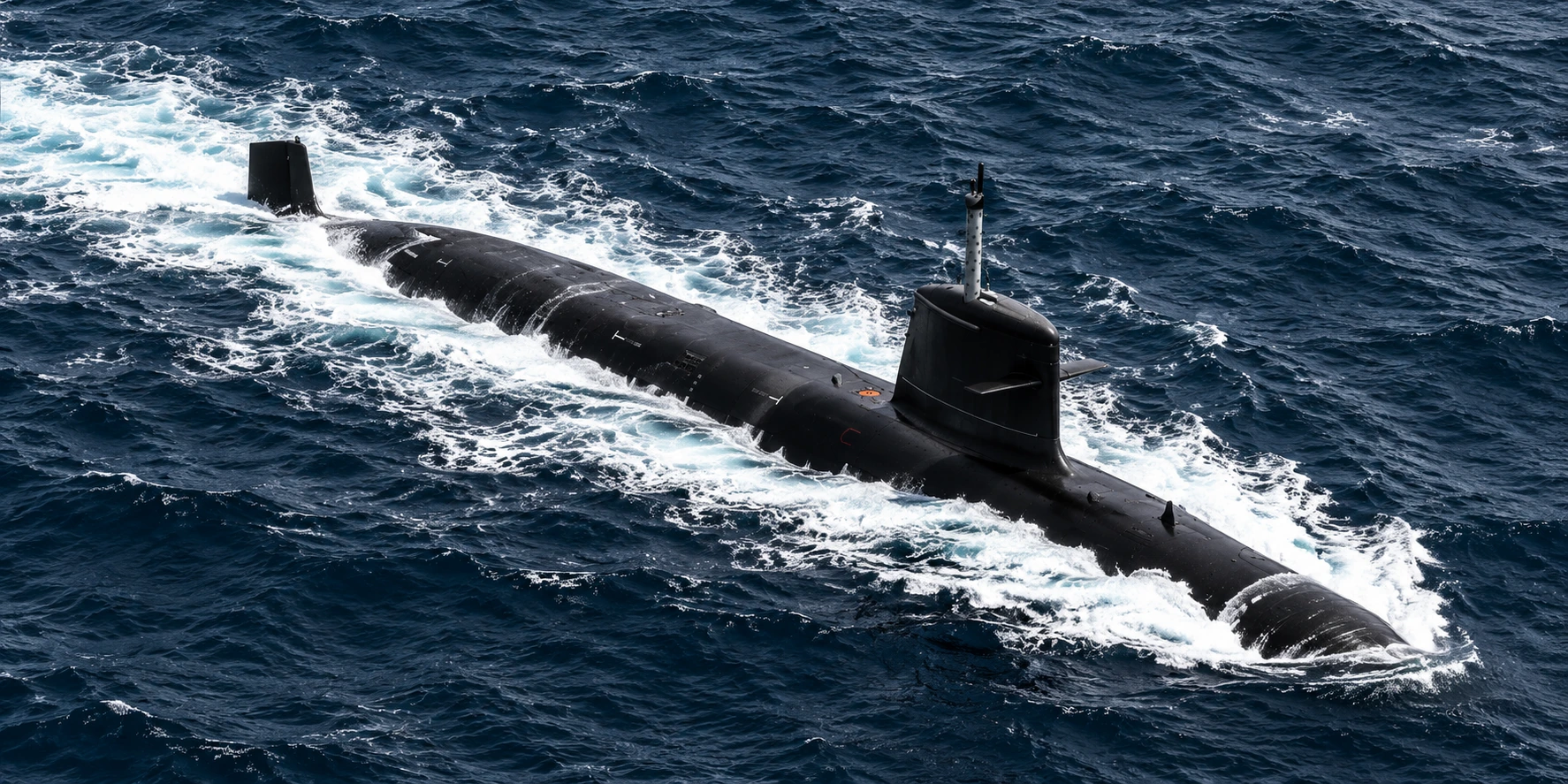
Overview
RTS develops specialised electrical, electronic and electromechanical systems for naval and underwater applications, combining power electronics, embedded control, sensing and precision engineering for demanding marine environments.
Experience includes impressed-current cathodic protection, power conditioning for fuel-cell-based submarine systems and high-performance cooling technologies for underwater platforms. These systems address requirements ranging from hull protection and electrical-power regulation to continuous thermal and airflow management.
Actively controlled corrosion-protection system for naval vessels and submerged metallic structures.
The Impressed Current Cathodic Protection system is designed to protect submerged metallic structures and naval vessel hulls against electrochemical corrosion. The control system monitors hull potential and automatically regulates impressed current to maintain the required protection level as seawater and operating conditions change. The system architecture also incorporates shaft-grounding functionality and low-signature control for naval applications where controlled electrical behaviour is important alongside corrosion protection.
Automatic closed-loop hull-potential regulation
Continuous corrosion-protection control
Integrated shaft-grounding support
Low-signature control architecture
Protection Method
Impressed Current Cathodic Protection
Control
Automatic closed-loop regulation
Shaft Grounding
Integrated support
Signature Control
Low-signature architecture
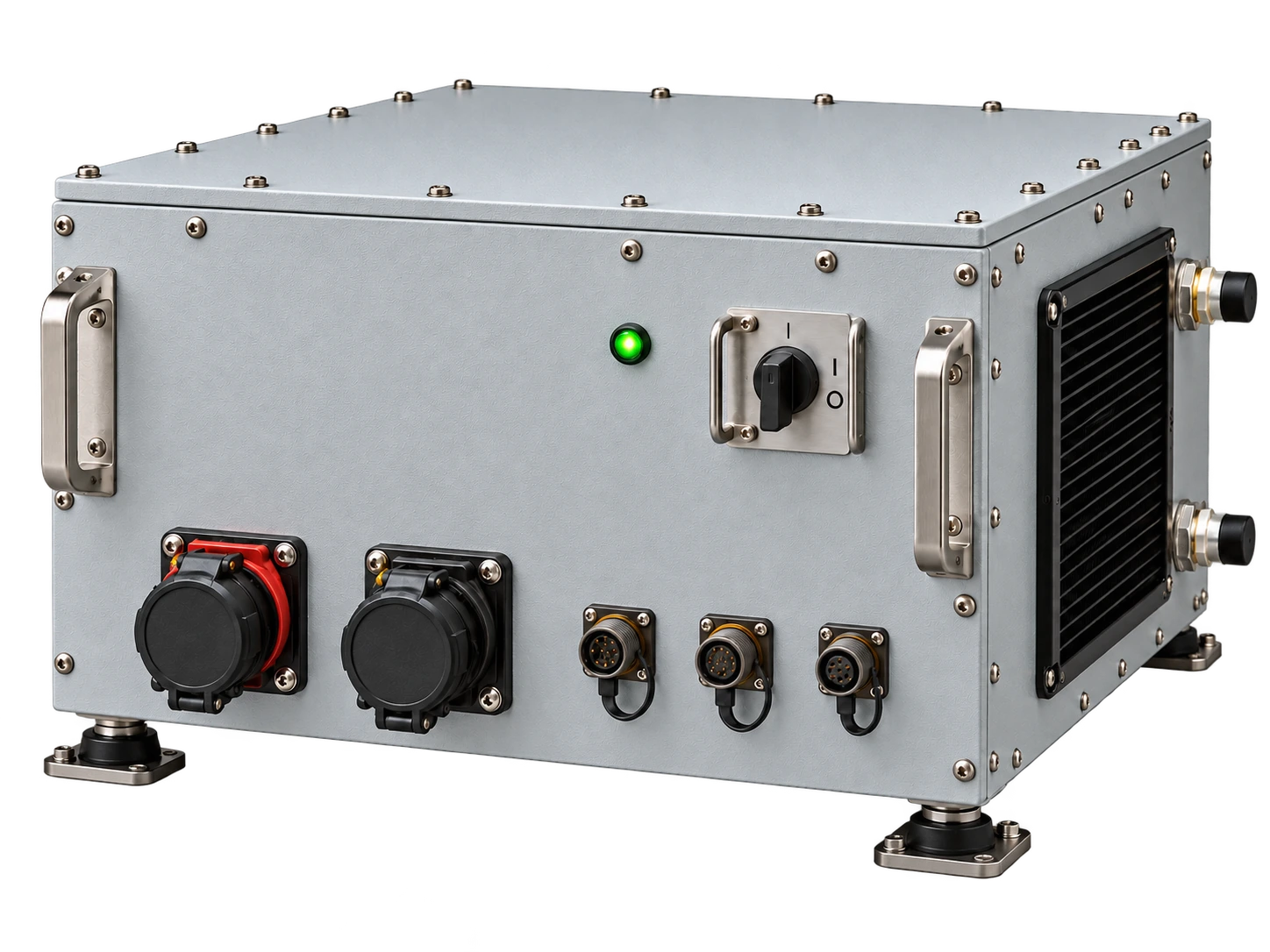
Power-conditioning unit that regulates variable fuel-cell DC output for integration with submarine electrical systems.
The Power Control Unit is intended for fuel-cell-based submarine Air Independent Propulsion systems, where the electrical output of the fuel-cell stack varies with operating and load conditions. The unit conditions the incoming DC power and regulates it to a controlled DC output suitable for the submarine electrical architecture. This supports stable power delivery to the onboard DC bus while accommodating variation in fuel-cell output and changing electrical demand.
Fuel-cell DC input conditioning
Controlled DC voltage regulation
Stable DC-bus support under varying load conditions
Power-electronics integration for submarine AIP systems
Input
Variable fuel-cell DC
Primary Function
Power conditioning & voltage regulation
Output
Regulated DC bus
Application
Submarine fuel-cell AIP
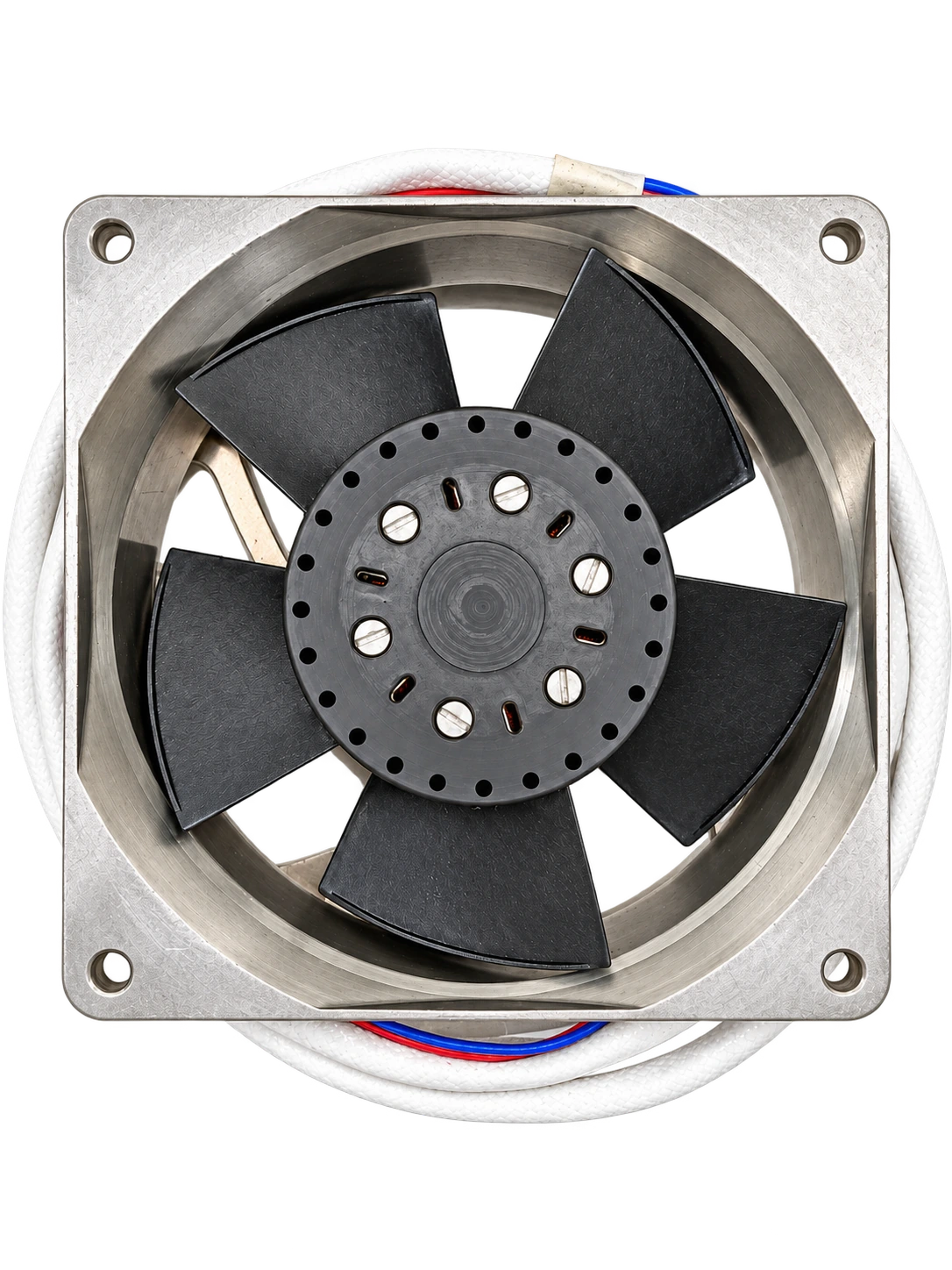
Compact BLDC axial-fan system engineered for continuous airflow in demanding submarine and naval environments.
Developed for a demanding submarine environment, the compact axial-fan system combines a high-speed BLDC motor, sensorless closed-loop controller and purpose-designed fan assembly. The system was engineered for continuous operation under elevated-temperature conditions while maintaining compact packaging and dependable airflow. Its controller architecture also supports CAN-based multi-fan operation for coordinated airflow management.
Sensorless closed-loop BLDC motor control
CAN-based multi-fan controller architecture
Designed for continuous high-temperature operation
Compact fan, motor and controller integration
Rated Power
130 W
Electrical
24 V / 5.5 A
Speed
Up to 12,000 RPM
Airflow
600 m³/h