
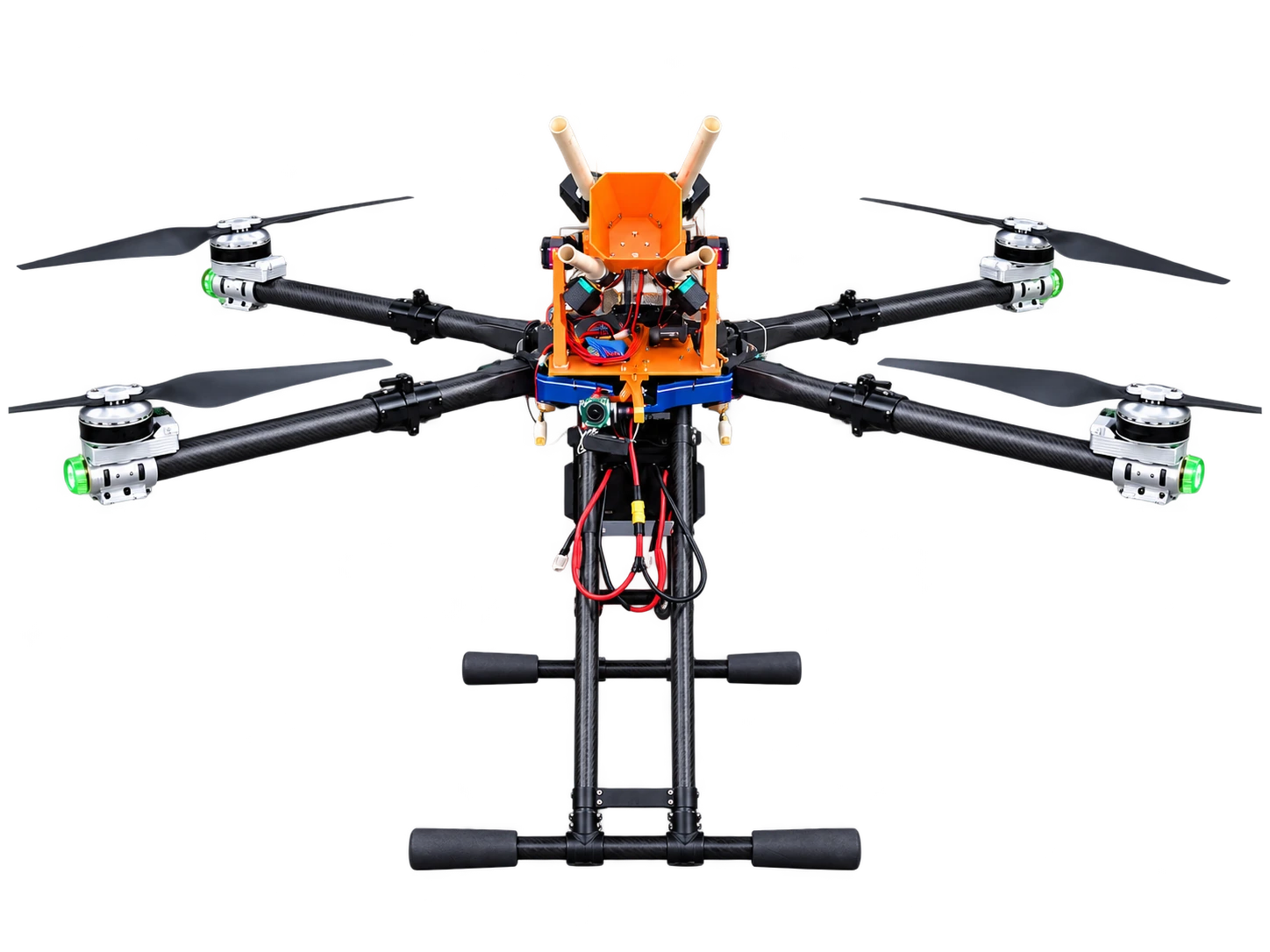
Net-Based Counter-UAS Interceptor
Counter-UAS drone platform developed around a net-based interception mechanism for physical capture or disruption of hostile small UAVs.
Indigenous unmanned platforms, counter-UAS interceptors and mission subsystems developed for surveillance, interception and specialised defence applications.

Overview
RTS develops unmanned aerial and counter-UAS systems by combining flight-control electronics, navigation, embedded software, payload integration and electromechanical engineering within mission-oriented platform architectures.
The portfolio includes net-based counter-UAS interceptors, loitering-munition UAVs, interceptor UAVs, VTOL unmanned aircraft and payload integration and release mechanisms, supported by capabilities in autopilot integration, telemetry, stabilised payloads and embedded mission electronics.
Counter-UAS drone platform developed around a net-based interception mechanism for physical capture or disruption of hostile small UAVs.
The Net-Based Counter-UAS Interceptor is an unmanned platform developed for physical interception of unauthorised or hostile small drones. The platform combines an airborne net-deployment mechanism with onboard flight control, navigation and platform integration. RTS brings together the UAV, embedded-control and electromechanical elements required to integrate the interception payload with the aircraft while maintaining controllability during the mission.
Net-based physical interception concept
Integrated unmanned interceptor platform
Onboard flight-control and navigation integration
Electromechanical interception-payload integration
System Type
Counter-UAS interceptor
Interception
Net-based capture / disruption
Platform
Unmanned aerial interceptor
Integration
Flight control + interception payload
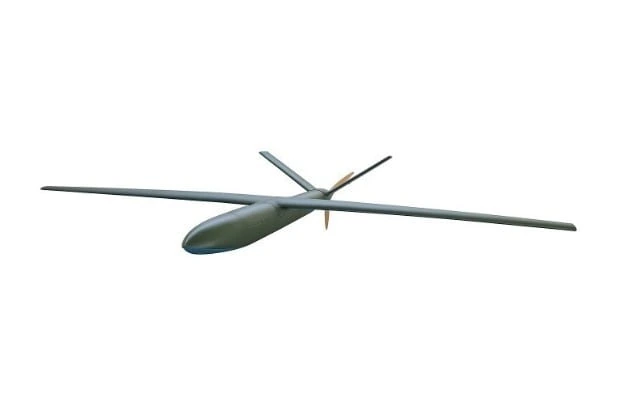
Indigenous unmanned platform combining autonomous flight, guidance and mission-payload integration for loitering-munition applications.
RTS is developing loitering-munition UAV platforms by combining its capabilities in unmanned flight control, embedded processing, guidance and navigation, payload integration and electromechanical systems. The platform architecture is intended to support sustained unmanned flight with integrated mission electronics and application-specific payloads within a compact air vehicle.
Integrated unmanned flight-control architecture
Guidance and navigation integration
Mission-payload integration
Indigenous electronics and platform engineering
System Type
Loitering munition UAV
Navigation
Integrated guidance & navigation
Payload
Mission-specific integration
Development
Indigenous RTS platform
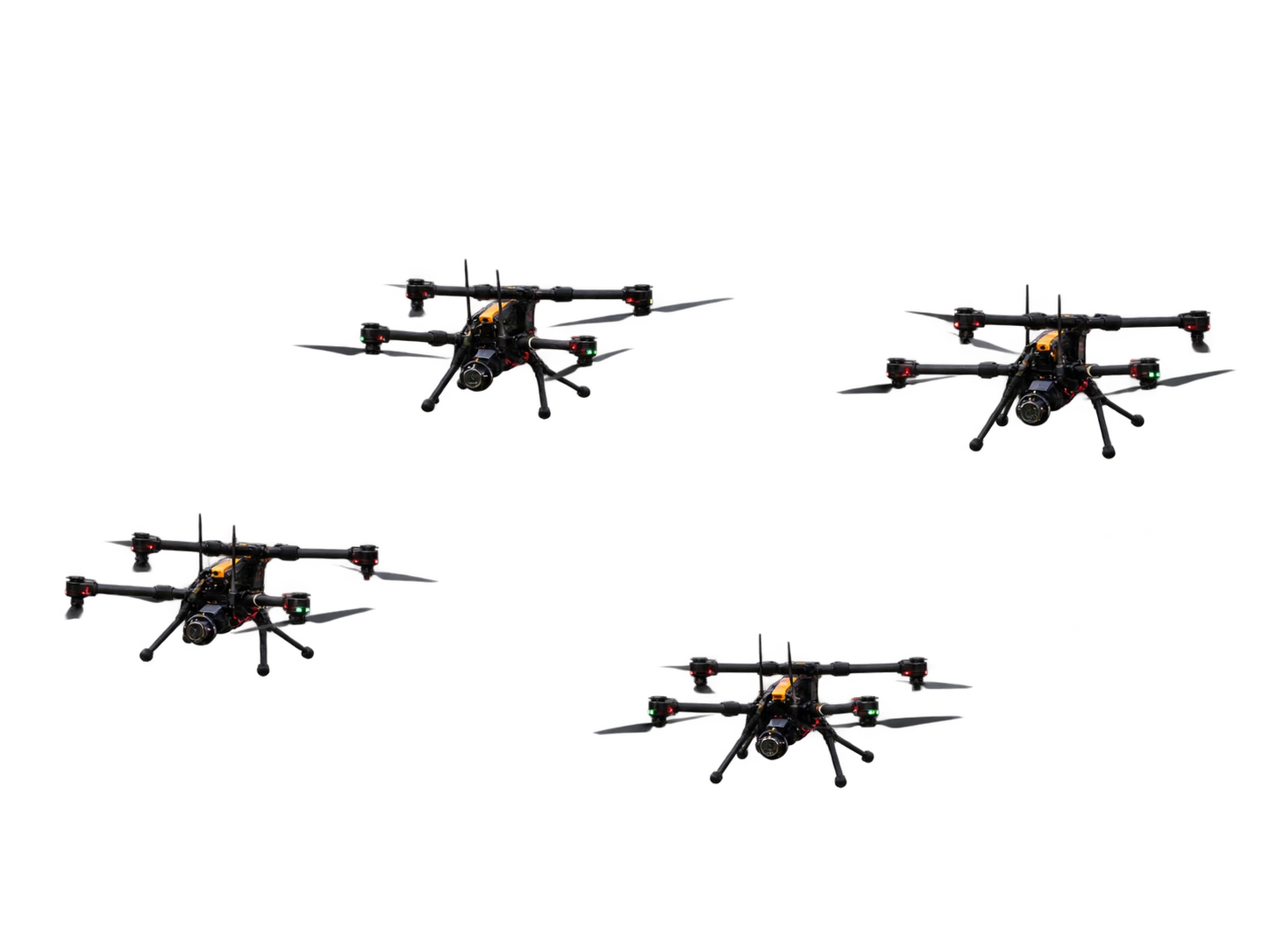
Interceptor UAV platform intended for rapid pursuit and interception of hostile or unauthorised unmanned aircraft.
The Counter-UAS Interceptor UAV is focused on airborne interception. RTS combines flight-control electronics, navigation, high-response unmanned-platform engineering and mission-payload integration to create an interceptor architecture capable of being adapted to different counter-UAS concepts and operating requirements.
Interceptor-UAV platform architecture
Integrated flight-control and navigation
Mission-payload integration
Designed around counter-UAS response requirements
Role
Counter-UAS interception
Platform
High-response UAV
Control
Integrated flight-control system
Architecture
Mission-configurable platform
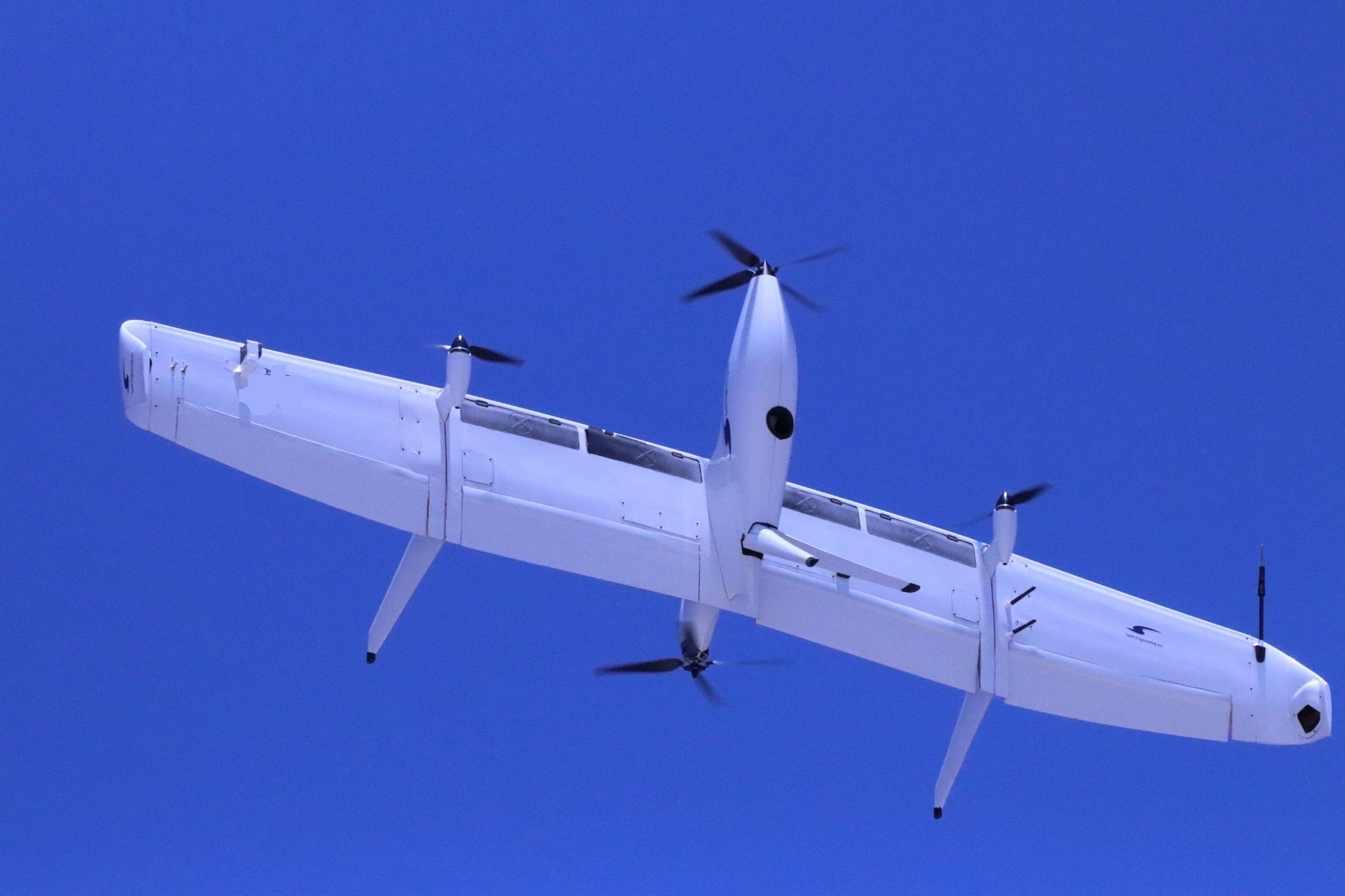
Vertical-take-off-and-landing unmanned platform combining runway-independent operation with forward-flight mission capability.
RTS develops VTOL unmanned-aircraft platforms for applications where runway-independent operation and mission flexibility are important. The platform integrates indigenous flight-control electronics, navigation, embedded software, telemetry and payload interfaces, bringing together vertical take-off and landing capability with forward-flight operation.
Vertical take-off and landing
Runway-independent operation
Integrated flight-control and navigation
Payload and telemetry integration
Platform Type
VTOL UAV
Operation
Runway independent
Flight Control
RTS autopilot compatible
Payload
Mission-configurable integration
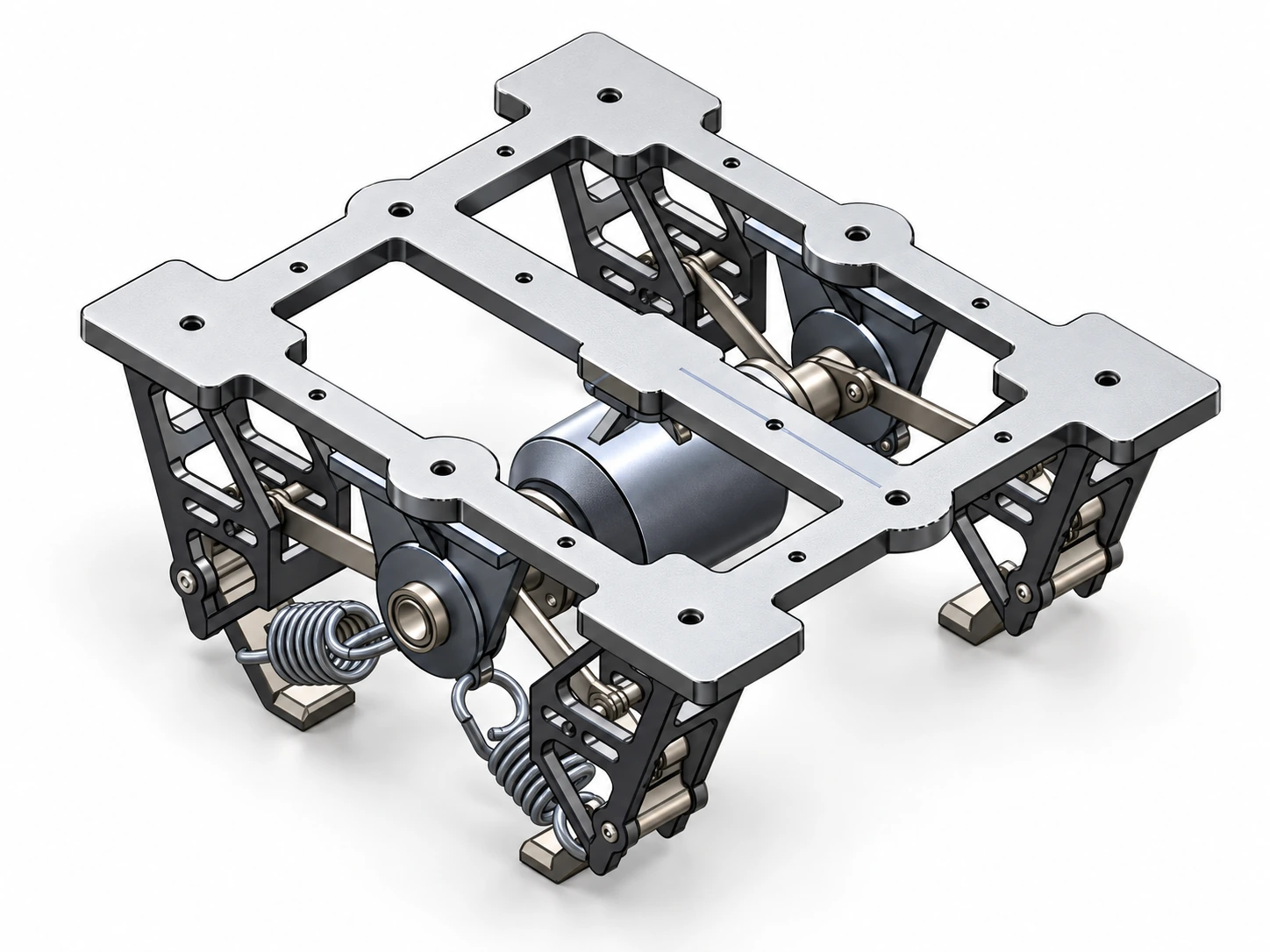
Three-variant UAV payload mechanism for secure integration and controlled release of mission payloads across a 2–25 kg payload range.
RTS designed and developed a family of payload integration and release mechanisms for unmanned air vehicles. The mechanisms use BLDC motor-driven gears and linkages with digital servo control to secure and release mission payloads while meeting demanding structural, vibration and aerodynamic requirements. Three configurations were developed to address different payload classes and integration needs.
Three payload-mechanism variants
Payload integration and controlled release
BLDC motor with gears and linkages
Digital servo-control architecture
Payload Range
2–25 kg
Variants
3 mechanism types
Drive
BLDC motor + gears / linkages
Control
Digital servo controller